There’s a certain kind of light in Australia that feels oddly familiar if you’ve ever chased Summer around the Mediterranean. It’s the same hard-edged brilliance that bounces off whitewashed walls in Puglia, threads through olive groves in Provence and glitters across the Cyclades at noon.
Here, that light lands on Australian soil and coaxes ancient grapes into a new accent - wine, salt and sunlight, translated across hemispheres.
In McLaren Vale, the sea is never far away. You smell it on the breeze, taste it in the air and sometimes catch it in the wine - a fine saline lift that makes Mediterranean varietals feel right at home. Grenache is the quiet star: old vines, warm days, cooling gulf nights and sandy ironstone soils that let the grape speak in velvet.
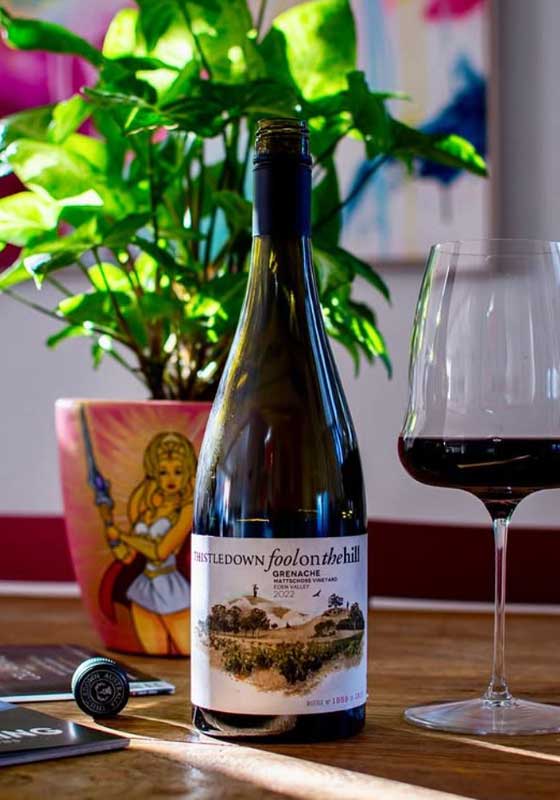
A Vale winemaker pours a pale ruby glass and you get sun-warmed strawberries, rose petals, a whisper of red liquorice. On the palate it’s all supple glide and gentle spice, finishing with a dusting of cocoa and dried herbs. Pair it with lamb kissed by charcoal, or a plate of grilled eggplant with garlic yoghurt and pine nuts - the wine’s soft tannins and bright red fruit meet smoke and savour like old friends.
Drive north to Clare and the landscape shifts - higher, leaner, strewn with eucalypt and stone. Here, Sangiovese takes on an Australian cadence: still cherry-bright and food-loving, but with a crisper line and a bit more swagger.
A small-batch producer in the Polish Hill River district lets you nose the glass as the afternoon cools. Sour cherry and cranberry tumble out first, then dried thyme, leather and a faint earthy grip. The acidity is a breeze through the palate - cleansing, lively, built for the table. Think tomato-based pasta with slow-cooked pork, or charred capsicum, olives and pecorino. The grape’s natural tang curls around tomato and salt the way it does in Tuscany, yet the Clare altitude keeps everything tight and fresh.
Further west along the river flats of the Riverland, the sun is generous, the nights are kind and the vineyards spread wide like a patchwork quilt. This is where white Mediterranean grapes thrive, especially in the hands of winemakers chasing texture and brightness over sheer weight.
Fiano here is a little miracle: fragrant but not showy, shaped by warm days and the river’s moderating pull. In the glass it’s lemon blossom, pear skin and alpine herbs, with a nutty, almost waxy depth that feels made for seafood. Pour it next to grilled prawns with chilli and lemon, or a bowl of vongole slicked with parsley and olive oil; Fiano’s gentle grip and citrusy tension pull the dish into focus.
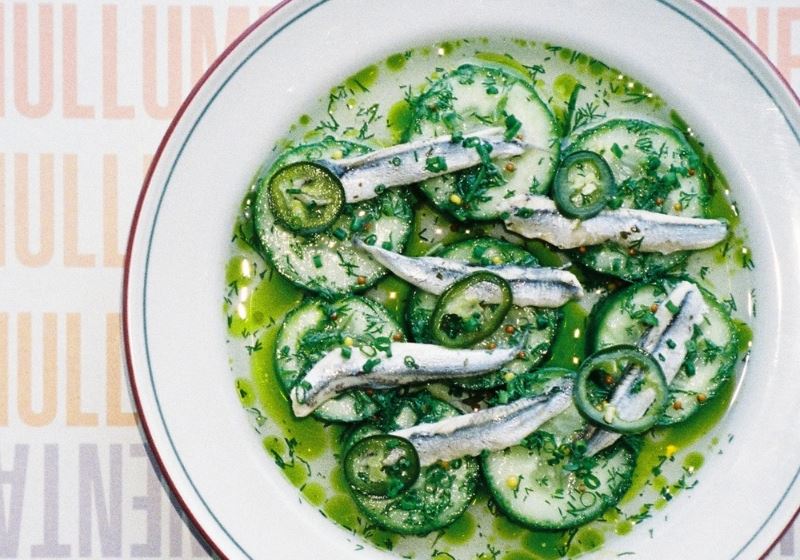
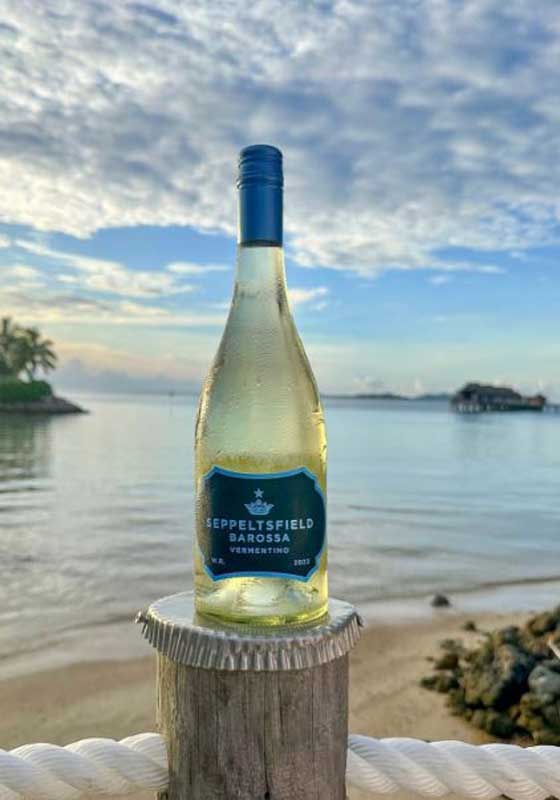
Vermentino and its close coastal cousin, are spirit in Australian guise, all about salt and refreshment. A Riverland Vermentino glints straw-green in the sun, smelling of lime zest, green apple, fennel frond and a salty sea-spray note that’s pure holiday. It finishes dry and mouthwatering - ideal with a picnic of sardines, marinated zucchini, or a simple rocket salad with shaved bottarga. If Vermentino feels like a beach day, Fiano is the long lunch that follows.
What ties these places together isn’t imitation, but climate kinship. Mediterranean varietals are built for heat, wind and brightness; they hold acidity under sun, find perfume in dry air and give generously without needing to be pushed.
In Australia, they’re not pretending to be European. They’re becoming themselves - shaped by McLaren Vale’s maritime breath, Clare’s stony altitude and the Riverland’s river-cooled glare.
The connection isn’t nostalgic; it’s elemental. Sunlight, salt and soil, speaking fluently in two languages at once.