Fine dining is evolving beyond what is served on the plate, with a renewed focus on storytelling, sustainability, cultural identity and experiences that leave a lasting impression.
Fine dining has never stood still, but the way diners define a memorable restaurant experience is changing. While exceptional ingredients, technical skill and service remain the foundations of great restaurants, a new generation of dining experiences is placing greater emphasis on connection, creativity and purpose.
From interactive Chef's tables and open-fire cooking to menus shaped by heritage, seasonality and storytelling, today's most compelling restaurants are finding new ways to make a meal feel meaningful. Luxury is no longer measured solely by the price of a dish or the formality of a dining room, but by the thought, intention and individuality behind the experience.
Here are six trends shaping the future of fine dining.

1. Experience over extravagance
The days of fine dining being defined exclusively by white tablecloths, elaborate plating and an extensive wine list are giving way to something more immersive. Diners are increasingly seeking experiences that invite them to engage with the restaurant, the people behind the food and the process of creating it.
Chef's tables, open kitchens, tableside preparations and interactive presentations are giving diners a front-row seat to the craft of cooking. Watching a dish come together, hearing directly from the Chef about a particular ingredient or following a carefully curated tasting journey adds another layer to the meal, turning dinner into something that feels personal and memorable.
For restaurants, this presents an opportunity to rethink what hospitality looks like. The most memorable experiences are often those that make diners feel included rather than simply served, creating an atmosphere where the journey from the first course to the last feels as important as the food itself.
2. Sustainability as the new luxury
Luxury is being redefined, with provenance, seasonality and responsible sourcing increasingly taking centre stage. Rather than relying on imported delicacies or ingredients prized solely for their rarity, Chefs are finding extraordinary value in what is grown, harvested and produced closer to home.
Local producers, native ingredients, whole-ingredient cooking and thoughtful waste reduction are influencing menus in ways that reflect both environmental responsibility and culinary ambition. Nose-to-tail cooking, root-to-leaf techniques, preservation and menus designed around seasonal availability are helping kitchens make better use of their ingredients while allowing the produce to speak for itself.
This shift also creates a stronger connection between the restaurant and its surrounding landscape. Knowing where an ingredient comes from, who produced it and why it has been chosen adds a sense of purpose to the dining experience.
The new luxury is not necessarily having access to the rarest ingredient, but understanding why an ingredient deserves to be on the plate in the first place.

3. A return to fire, fermentation and traditional techniques
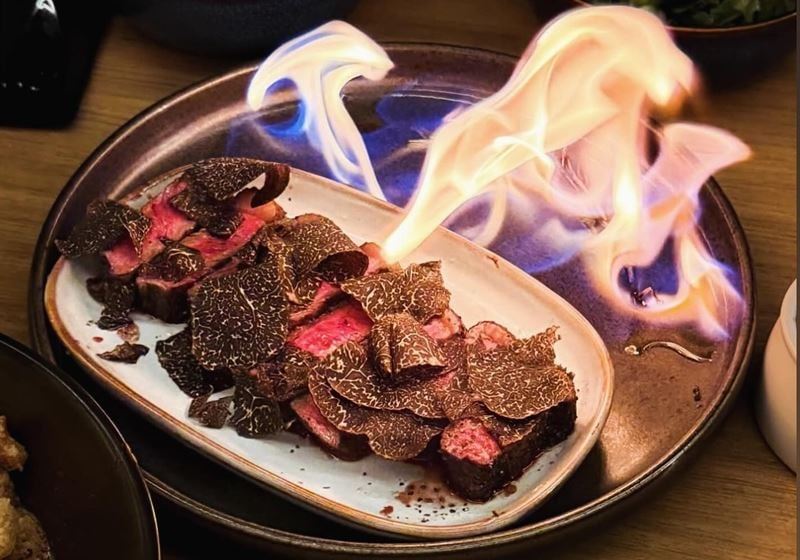
Some of the most exciting culinary innovation is coming from techniques that have existed for centuries. Live-fire cooking, fermentation, smoking, preservation and ageing are finding renewed relevance in contemporary kitchens, with Chefs exploring how these methods can transform flavour, texture and character.
Fire brings an element of unpredictability and immediacy to cooking, whether it is used to char vegetables, cook premium cuts of meat or impart subtle smoke to seafood. Fermentation introduces complexity and depth, while preservation techniques allow kitchens to work creatively with seasonal produce long after its peak harvest.
Rather than relying on increasingly elaborate presentation, many Chefs are embracing the beauty of simplicity, allowing technique and ingredient quality to do the heavy lifting.
These methods are not simply a nostalgic return to the past. They are being reinterpreted through modern knowledge, experimentation and precision, creating dishes that feel both rooted in tradition and distinctly contemporary.
4. Cultural identity and global influences
The culinary landscape is becoming increasingly diverse, with Chefs drawing on their heritage, upbringing, regional ingredients and cultural experiences to shape their menus. Rather than following a singular definition of fine dining, restaurants are embracing individual expression and the influences that make their cuisine distinctive.
This can be seen in the blending of culinary traditions, the use of Indigenous ingredients, the reinterpretation of family recipes and the exploration of regional cooking techniques that have long been overlooked in mainstream fine dining.
For many Chefs, food is an opportunity to explore identity, share personal experiences and introduce diners to flavours, traditions and perspectives they may not have encountered before.
The result is a dining landscape that feels more expansive, where originality and authenticity are increasingly valued over rigid culinary conventions. As diners become more curious and adventurous, restaurants that confidently express their identity are finding their own place in the conversation.

5. Multi-sensory dining: engaging beyond the palate
A memorable meal is rarely just about taste. The atmosphere of a restaurant, the aroma of a dish arriving at the table, the texture of an ingredient and even the sound of a room can influence how food is experienced.
Multi-sensory dining is exploring these connections more deliberately, with restaurants considering how sight, sound, smell, touch and taste can work together to create a deeper connection between the diner and the food.
This might involve thoughtfully designed lighting, carefully considered music, aromatic elements introduced during service, unusual textures or the presentation of a dish in a way that encourages diners to interact with it. Some experiences extend further, incorporating immersive environments or elements that challenge conventional expectations of how a meal should unfold.
The distinction lies in intention. The objective is not spectacle for spectacle's sake, but to use the senses to enhance the food, evoke emotion and create an experience that lingers well beyond the dining room.
6. Narrative menus: every dish tells a story
Menus are becoming more than a guide to what is available. For many restaurants, they are an opportunity to communicate the ideas, memories, places and influences that shape a Chef's approach to cooking.
A tasting menu might trace a Chef's childhood memories, celebrate the produce of a particular region, explore a cultural tradition or reflect the changing seasons. Individual dishes can become expressions of a broader narrative, with ingredients and techniques chosen not only for their flavour but for the meaning they carry.
This approach invites diners to engage with food on a more personal level. Understanding the inspiration behind a dish can change the way it is perceived, creating a connection between the person eating and the person who created it.

As restaurants continue to explore storytelling through food, the dining experience becomes less about simply selecting courses and more about discovering a perspective, a philosophy or a piece of someone's world.
Fine dining is entering an era where creativity, connection and intention are increasingly defining what makes a restaurant exceptional. The techniques may be centuries old, the ingredients may come from just down the road and the stories may be deeply personal, but the ambition remains the same: to create something that diners cannot replicate at home.
The restaurants shaping the future are not necessarily those doing the most, but those doing it with purpose. And in an increasingly competitive dining landscape, that may be what makes an experience truly unforgettable.