By Marie-Antoinette Issa
As Lunar New Year approaches, kitchens across Asia come alive with ritual as much as flavour. Homes are cleansed, pantries replenished and, in many cultures, salt takes on a symbolism that stretches far beyond the seasoning bowl. In Vietnam, there’s a well-known proverb: "Buy salt at the beginning of the year, buy lime at the end of the year.” Purchasing salt at the start of Tet is believed to ward off evil spirits, strengthen family bonds and ensure a full, prosperous year ahead.
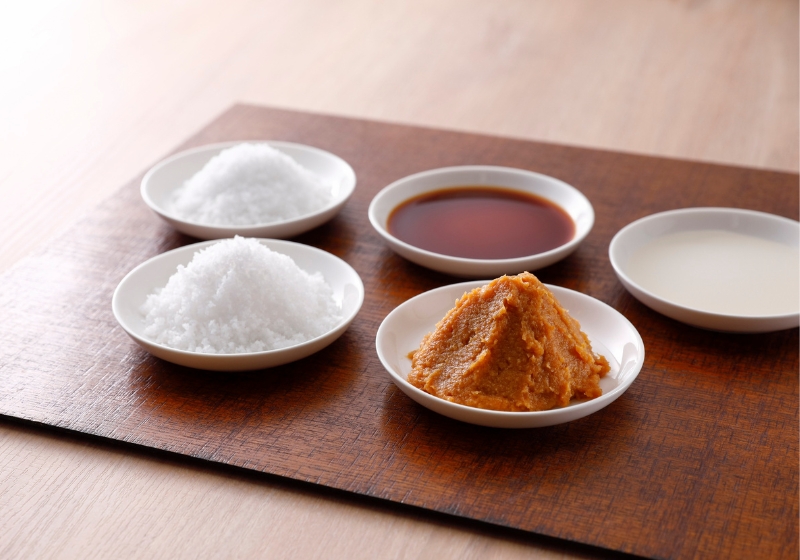
Yet, if you’ve ever watched an Asian chef cook, you’ll notice something conspicuously absent: the dramatic pinch of flaky sea salt showered over a dish at the end, a la salt bae. There’s no theatrical flourish, no last-minute seasoning scramble. Instead, flavour is built quietly and deliberately from the very beginning. Umami - that deep, savoury satisfaction we all crave - isn’t sprinkled on. It’s layered, brewed, fermented and coaxed out over time.
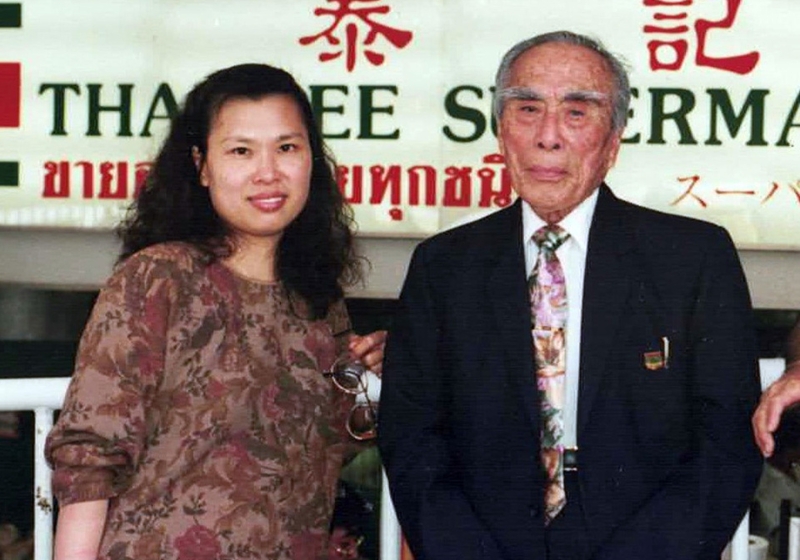
For Linh Nguyen - affectionately known as Linh Jie - this approach is instinctive. The co-founder and matriarch of Gong Grocer Asian Supermarket, Linh grew up in Vietnam and has spent more than 30 years immersed in Asian food culture across the USA and Australia. In her kitchen, salt rarely appears as a standalone ingredient. Instead, it’s folded (in various incarnations) into sauces, pastes and vinegars that season while doing far more than simply making food salty.
That reverence for salt - both practical and symbolic - feels especially poignant at Lunar New Year.
Traditionally, salt is placed in room corners or near doorways to banish negativity from the previous year. Some families cleanse their kitchens with salt water before the festivities begin, ensuring the household remains well-stocked and prosperous. It’s about purification, protection and intention - values that echo the philosophy behind Asian flavour-building itself.
One of the most obvious examples of salt subs in Asian kitchens is soy sauce - a foundational ingredient introduced early in the cooking process. As Linh explains, "Soy sauces are the backbone of Asian cuisine. They are incredibly versatile and one of the most important ingredients we use to build depth and umami in a dish.” Fermentation is what gives soy sauce its complexity, developing savoury glutamates alongside sweetness, bitterness and roasted notes.
Light soy sauce, Linh says, is the everyday workhorse. It’s the bottle she reaches for most often at home and the pantry staple bestseller at Gong Grocer. It seasons without overpowering, adding depth and umami to stir-fries, marinades and dipping sauces without tipping into heaviness. Dark soy sauce plays a different role entirely. Thicker and fuller-bodied, with a gentle sweetness and deeper colour, it’s ideal for braised or slow-cooked dishes, where it adds richness and that signature glossy finish. And beyond these familiar categories, soy sauces vary widely by region and production method. Linh notes that Gong Grocer stocks more than 50 varieties, each suited to specific dishes and techniques - because choosing the right soy sauce can fundamentally change how a dish comes together.
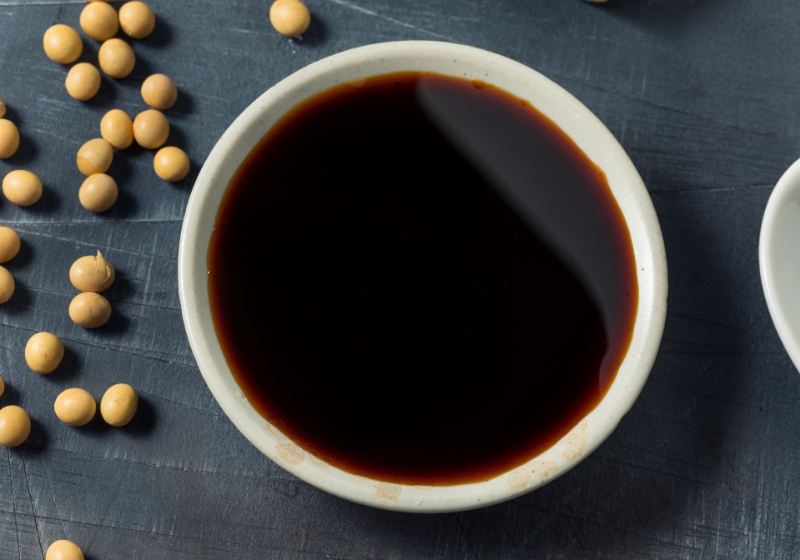
Tamari is often misunderstood as merely a gluten-free soy sauce alternative, but Linh sees its growing popularity as something more nuanced. "Tamari is typically thicker and richer than most soy sauces, with a deeper umami flavour than saltiness,” she says. Rather than being cooked down, she prefers to use it sparingly as a finishing element - brushed on as a glaze, mixed into chilli oil for dipping or added in a few drops at the end of a soup to deepen flavour without increasing saltiness. Treated this way, tamari behaves less like a seasoning and more like a condiment.
Then there’s fish sauce - perhaps the most misunderstood ingredient of all. Pungent in the bottle, transformative in the pan, fish sauce replaces salt entirely in much of Southeast Asian cooking. Linh grew up with it in Vietnam and understands why it intimidates people, but she’s quick to reframe its role. "When used correctly, it gives a lot of depth and complex umami flavour without overpowering the dish.” Like soy sauce, it mellows with heat and dilution, delivering savouriness without leaving behind an overtly fishy taste.
One of Linh’s favourite uses is as a dipping sauce for spring rolls, where balance is key. "The combination of a lighter fish sauce, with the crispy and rich spring rolls, wrapped in lettuce and herbs creates a delicious balance of salty, sweet and fresh.” At Gong Grocer, multiple fish sauce varieties are stocked to reflect how widely it’s used - straight from the bottle, diluted with water and sugar, sharpened with lime or chilli, or finished with pickled vegetables for added complexity.
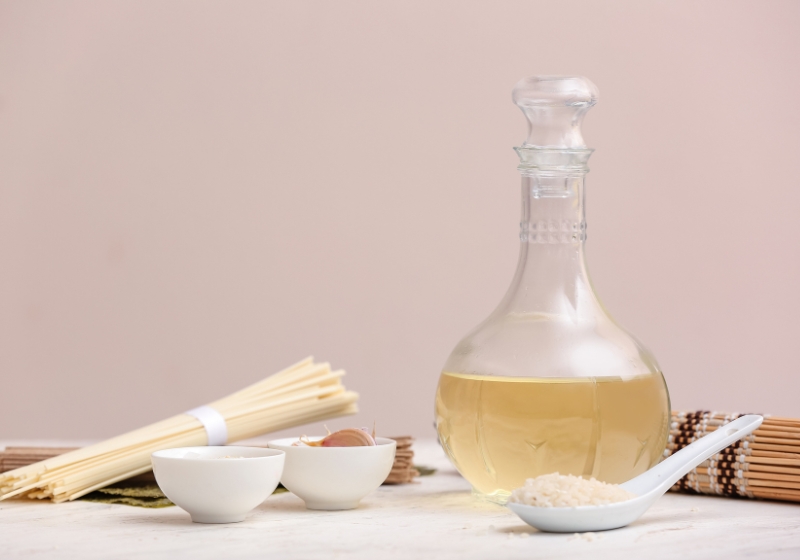
Rice vinegar works more quietly, but its role is just as important. Mild, slightly sweet and far gentler than Western vinegars, it acts as a seasoning tool rather than a sharp acidic punch. Linh describes it as a way to balance richness and lift flavours in a way salt alone can’t. A splash mixed into soy sauce or chilli oil helps cut through fat, while quick, rice-pickled cucumber, daikon or carrot served alongside richer dishes refreshes the palate and keeps flavours feeling light.
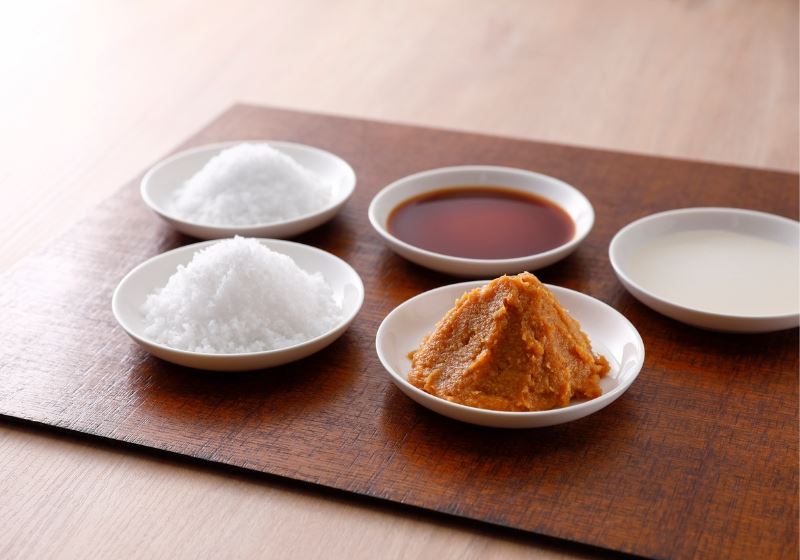
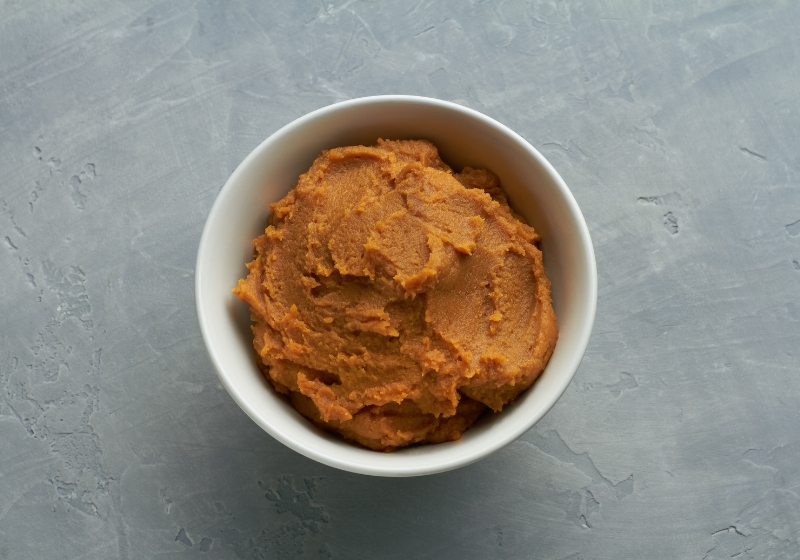
Finally, fermented bean pastes take this philosophy even further. Miso, doenjang, gochujang and fermented black bean paste are powerful salt carriers, but they’re also repositories of time, microbes and tradition. These are strong ingredients, and Linh’s advice is simple: start small. "A little can go a long way,” she says. When she first began cooking with gochujang, she found its heat overwhelming, so she softened it with honey and water to create a sweeter, more approachable paste that still delivered depth. The same approach applies across other fermented pastes - with miso stirred gently into broths, doenjang diluted into stews, and black bean paste providing depth to steamed items such as pork spareribs or whole fish.
What ties all of this together is timing. In Asian cooking, seasoning rarely happens at the end. Flavour building begins before the pan is even hot, with marinades allowing sauces and pastes to soak into ingredients early. As cooking progresses, these elements are added again, changing with heat and integrating more deeply. "Instead of relying on, say, salt, at the end, each stage of seasoning contributes something different,” Linh explains. "I find then that the food tastes more rounded, umami and naturally savoury.”
This slow, layered approach mirrors many Lunar New Year rituals. Just as families rub salt on their hands on the first morning of the year to symbolically wash away bad luck and attract prosperity, Asian cooks rely on salt in its many fermented forms to quietly transform what’s already there. It’s less about intensity and more about intention.
For home cooks wanting to replicate this approach - especially as they prepare celebratory feasts - Linh recommends starting with just a few reliable pantry staples. An everyday light soy sauce, fish sauce and rice vinegar form the foundation she grew up with - taught by her grandmother and mother, and now passed on to her daughter. Used thoughtfully, these ingredients can be adjusted with water, sugar or acidity, allowing flavour to build gradually rather than aggressively.
At its core, this approach is about respect - for ingredients, for time and for flavour development. Asian cooking doesn’t chase instant gratification. It trusts fermentation, patience and method. And at Lunar New Year, when salt symbolises protection, purification and prosperity, that philosophy feels even more meaningful.
So the next time your hand reaches instinctively for the salt shaker, pause. There may already be something in your pantry - a bottle of soy sauce, a spoon of miso or a splash of rice vinegar - that can do the job better, and leave your food tasting not just seasoned, but truly complete - and perhaps even a little more auspicious for the year ahead.