By Joseph Steele
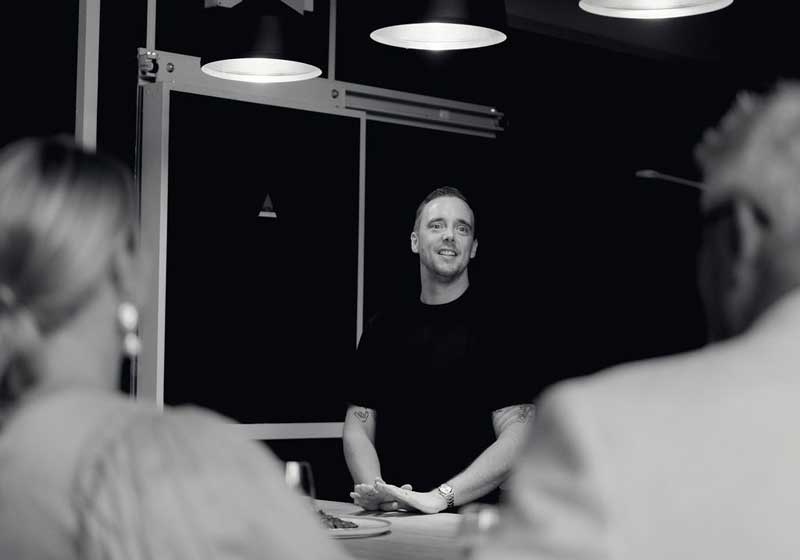
Before being awarded a Chef Hat, Executive Chef Ryan Fitzpatrick was navigating a very different kind of pressure - the rolling decks of Mediterranean superyachts, remote island suppliers on speed dial and private chalets in the French Alps where luxury meant precision without ego. His resume reads like a passport stamped with butter and sea salt, but it’s the contrast between those worlds that now defines his approach at Lanai Noosa.
Discipline from Hatted kitchens. Seasonality from alpine terroir. Anticpatory service from life at sea. Together, they’ve shaped a vision of Australian luxury that feels less performative and more personal. It’s detail driven, hyper-local and exudes a quiet confidence. In Noosa, this translates to refined coastal cooking and meaningful relationships with First Nations growers. Built on creativity and resilience, it’s no wonder Lanai Noosa has accrued a slew of accolades.
At a time when hospitality is under a cultural shift, Lanai Noosa isn’t just about about the glamorous of coastal life - it’s pushing to define what sustainability and regional fine dining in Australia can look like.
You’ve cooked in Hatted kitchens, private chalets in the French Alps, and spent years at sea as a superyacht Head Chef. How did those vastly different environments shape the way you think about luxury dining in Australia today?
Cooking in Hatted kitchens taught me discipline and technical precision. The French Alps showed me seasonality in a very pure, produce driven way. Superyachts taught me adaptability and ultra-personalised hospitality.
On a yacht, luxury isn’t just about truffles and caviar, it’s about anticipation. It’s knowing how someone likes their coffee or martini before they ask. That mindset absolutely shapes how I see luxury dining or just dining in Australia today. It’s less about formality and more about care, detail and experience.?
Your time on superyachts meant sourcing from remote islands and small producers with limited access. Did that experience lay the foundation for Lanai’s focus on sustainable seafood and hyper-local suppliers?
Absolutely. On yachts, you can’t always rely on big supply chains. You’re often sourcing from small fishermen, island growers, or whatever’s truly local to where you’re docked.
That experience made me value relationships over convenience. At Lanai, our seafood program and local suppliers aren’t marketing decisions, they’re practical and thoughtful . I’ve seen firsthand how fragile ecosystems and small producers can be, if we can support them and showcase what they do the best we can and have a great relationship while doing it, that’s the goal achieved.?
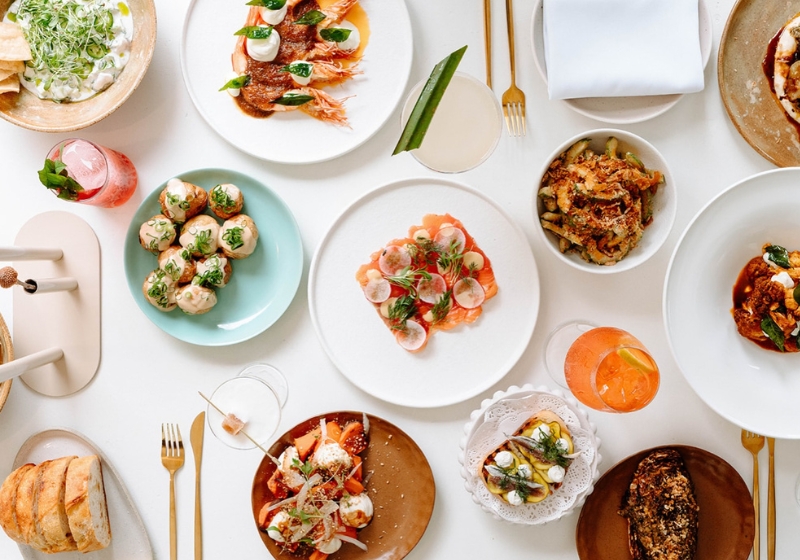
Image: Lanai Noosa
Lanai feels distinctly Noosa — relaxed, sunlit, seafood-driven — yet technically refined. How do you balance that laid-back coastal identity with the precision you learned at places like The Press Club?
Noosa has a natural elegance to it and it doesn’t need to be overworked. So the balance is about restraint.
I’d say I learned a great deal very quickly at The Press Club, but the real precision came from cooking privately for different clients. In that environment, you have to know a lot about a lot. Their preferences, dietary nuances, timing, mood to mention a few and you simply can’t afford mistakes. One small misstep can derail not only their entire experience, but yours as well.
You’ve built more than a restaurant — The Ohana Group spans catering, private dining, events, even styling. Is this diversification the future of the modern Australian chef — less stovetop-bound, more creatively expansive?
I think the modern Australian Chef has to think bigger than just service.
The Ohana Group allows us to create experiences whether that’s a private home dinner, a large-scale event, or styling a space. It’s creative freedom. It also builds resilience. The industry has shown us how quickly things can shift, so diversification isn’t just ambition, it’s smart sustainability.?
Native ingredients are increasingly central to contemporary Australian cuisine. How do you approach incorporating them respectfully and meaningfully, rather than as a passing trend?
It’s encouraging to see more light being shed on native ingredients and the culture behind them. There’s still a very fine line, though, between treating them as simply a product for commercial use and recognising that, for many people, they represent a way of life.
The native ingredients we use come from Aunty Terri at SevGen, based locally in the Noosa–Cooroy area. She runs Galeru (Forever Fruits), one of, if not the largest Indigenous-owned orchards in Australia.
She’s a true powerhouse and does incredible work beyond just growing produce. By sourcing from her, we’re not only supporting her and her community, but also deepening our understanding of what it truly means to work with native ingredients, respecting their story, their significance and continually learning new ways to use them with intention.
Image: Lanai Noosa
Kitchen culture has evolved significantly in the last decade. Having worked across high-pressure European kitchens and luxury yachts, what kind of leadership style are you intentionally building at Lanai?
The old brigade system was built on intensity and hierarchy. I experienced that in Europe and there’s value in discipline but it’s not the only way.
At Lanai, we build a culture based on accountability, calm and shared pride. High standards don’t require fear. They require clarity. I want the team to feel ownership, not just pressure.?
Being awarded a Chef Hat and being named Noosa’s Best Restaurant so early in Lanai’s journey is no small feat. Has recognition changed your creative direction, or sharpened your sense of responsibility to the region?
To put it simply, recognition sharpens responsibility.
Being awarded a Chef Hat and being named Noosa’s Best Restaurant so early was incredible but it also means people trust us with their celebrations and memories. That’s not something we take lightly.
It hasn’t changed our direction, but it has reinforced that consistency matters just as much as creativity.?
You’ve cooked for celebrities, business leaders and high-end clients across the globe. Does cooking for a yacht owner in the Mediterranean differ from cooking for a table of Noosa locals — or is great hospitality universal?
The context changes, the expectation of privacy on a yacht versus the warmth of locals in Noosa, but hospitality at its core is universal.
People want to feel seen. Whether it’s a yacht owner in the Mediterranean or a family celebrating a birthday in Noosa, the fundamentals are the same: attention, care and authenticity.
Do it for them not you!!?
Image: Lanai Noosa
Is there a particular ingredient that you are super passionate about working with at the moment - and how do you translate that onto the plate?
My wife and I have recently moved onto a few acres in the Noosa Hinterland, and I’m genuinely excited to dive into a proper growing phase. We’re planting citrus, finger limes, mandarins and lemons along with mangoes, passionfruit and stone fruit. I’m also putting in raised beds for heirloom tomatoes, zucchini, eggplant and leafy greens, plus a solid mix of herbs like Thai basil, tarragon, dill and native river mint.
I’m even looking at installing a couple of beehives, so hopefully we’ll have our own honey on the tables before too long.
If the next generation of Australian Chefs is defined by sustainability, global perspective, and strong regional identity — what role do you hope Lanai plays in that story over the next five years?
I hope Lanai becomes a benchmark for what regional Australian dining can be globally aware, deeply local and genuinely sustainable.
Over the next few years, I’d love for Lanai to continue mentoring young Chefs, strengthen relationships with producers and refine what Noosa cuisine means.
At the same time, we have to be realistic. It’s a tough landscape. Margins are tight, insolvencies are rising, tourists aren't all year and there’s enormous cultural and financial pressure on hospitality businesses. That makes it even more important to build something resilient, thoughtful and commercially sound, not just creatively ambitious.
If we can help shape a model where excellence and integrity coexist and prove that regional restaurants can thrive without compromising their values, that would be something I’m really proud of.