By Marie-Antoinette Issa
Japan’s culinary soul lives quietly in its ferments. Long before umami became a global buzzword, Japanese cooks were coaxing depth, balance and savouriness out of moulds, microbes and time. Fermentation here isn’t a trend or a technique – it’s a philosophy, one that prizes patience, subtlety and restraint. From the miso soup that starts the day to the pickles that punctuate a meal, these living ingredients shape the way Japanese food tastes, feels and lingers. This is a tour through the ferments that form the backbone of Japanese flavour.
MisoIf Japanese cuisine had a comfort food hero, miso would be it. This fermented paste of soybeans, salt and koji comes in countless regional and stylistic variations, from pale, sweet white miso (shiro) to robust, earthy red miso (aka). Ageing time, grain choice and climate all influence its character, resulting in flavours that range from gently nutty to deeply savoury. Beyond soup, miso is used as a marinade for fish, a glaze for eggplant, a seasoning for dressings and even a quiet enhancer in desserts. Its genius lies in its balance – salty but rounded, rich yet never overwhelming – making it a foundational ingredient rather than a dominating one.
Tsukemono (Japanese Pickles)
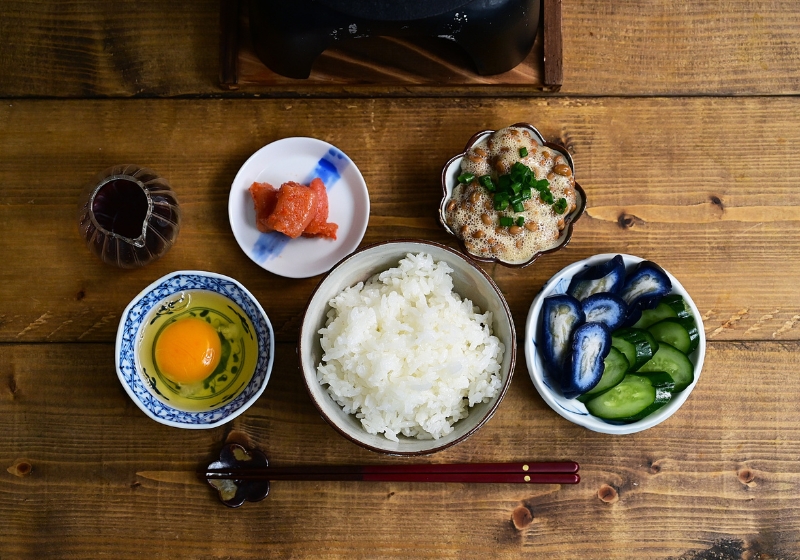
Often served as a small side, tsukemono are anything but an afterthought. These Japanese pickles bring crunch, acidity and brightness, acting as palate cleansers and counterpoints to richer dishes. They can be lightly salted and fermented for just hours, or aged for months in rice bran (nukazuke) or miso. Daikon, cucumber, eggplant and cabbage are common, each taking on a distinct personality through fermentation. More than just a condiment, tsukemono reflect seasonality and regional identity, offering sharpness when a meal needs lift and calm when flavours run deep.
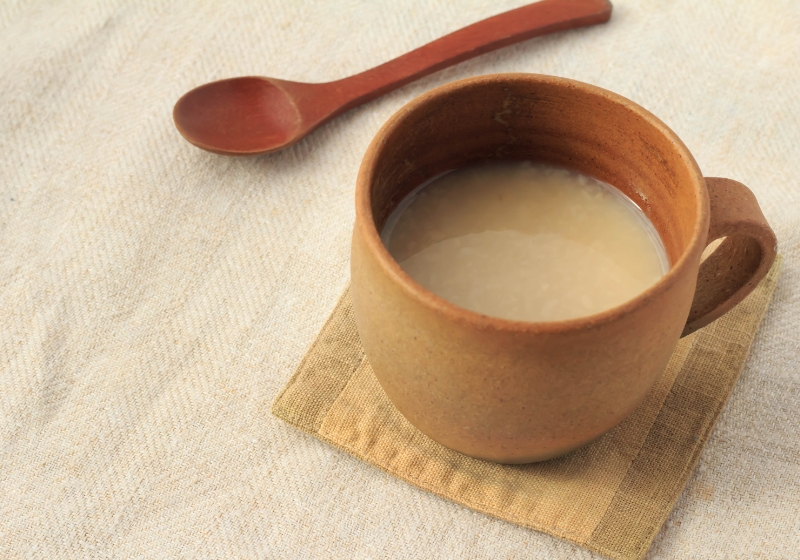
Often described as "sweet sake”, amazake is a non-alcoholic fermented rice drink with a gentle, pudding-like sweetness. Made by breaking down rice starches with koji, it tastes comforting and nostalgic, like rice porridge kissed with vanilla. Traditionally enjoyed warm in winter or chilled in summer, amazake has long been associated with health and vitality. Today, chefs and bartenders are rediscovering its versatility, using it as a natural sweetener in smoothies, desserts and even savoury sauces. Its sweetness isn’t sugary or cloying – it’s soft, rounded and deeply soothing.
Koji
Quietly powerful and endlessly fascinating, koji is the engine behind many of Japan’s most iconic flavours. This cultivated mould, Aspergillus oryzae, transforms grains and legumes by breaking down proteins and starches into amino acids and sugars. Without koji, there would be no miso, soy sauce, sake or mirin. Increasingly, modern chefs are using koji beyond its traditional roles – ageing meat, curing vegetables or creating umami-rich seasonings that push flavour without heaviness. Koji doesn’t shout; it deepens, rounds and amplifies, making everything it touches taste more itself.
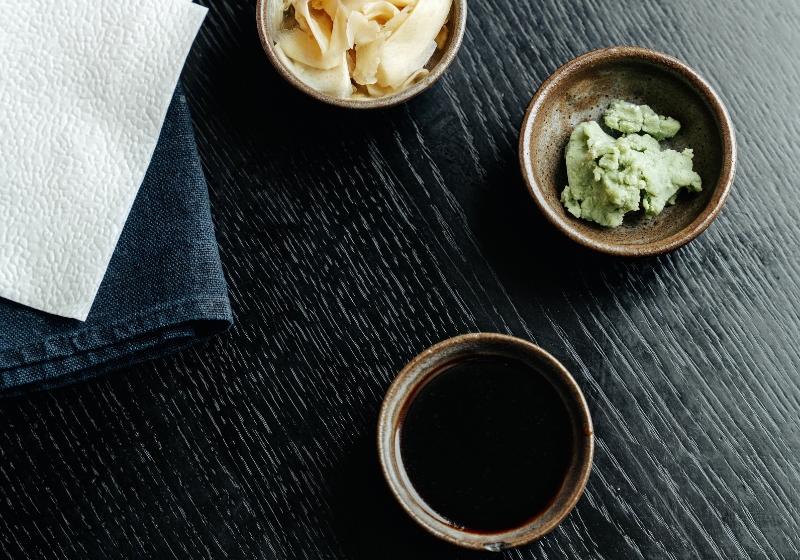
Though familiar worldwide, Japanese soy sauce is a world away from its supermarket stereotype. Traditionally brewed shoyu is fermented over months or even years using soybeans, wheat, salt and koji, developing layers of aroma and complexity. Some are light and delicate, others dark and caramelised, with notes of smoke, malt and dried fruit. In Japanese cooking, soy sauce is rarely poured with abandon; instead, it’s used sparingly, as seasoning rather than sauce. Its role is to enhance, not dominate – a philosophy that speaks volumes about Japanese balance.
Sake Kasu
A lesser-known by-product of sake brewing, sake kasu is the fragrant, creamy paste left behind after fermentation. Mildly sweet, faintly boozy and deeply umami, it’s used in marinades, soups and pickles. Fish cured in sake kasu becomes tender and aromatic, while vegetables gain a subtle complexity that’s hard to pinpoint but impossible to ignore. Once considered humble or utilitarian, sake kasu is enjoying renewed appreciation for its flavour and sustainability credentials.
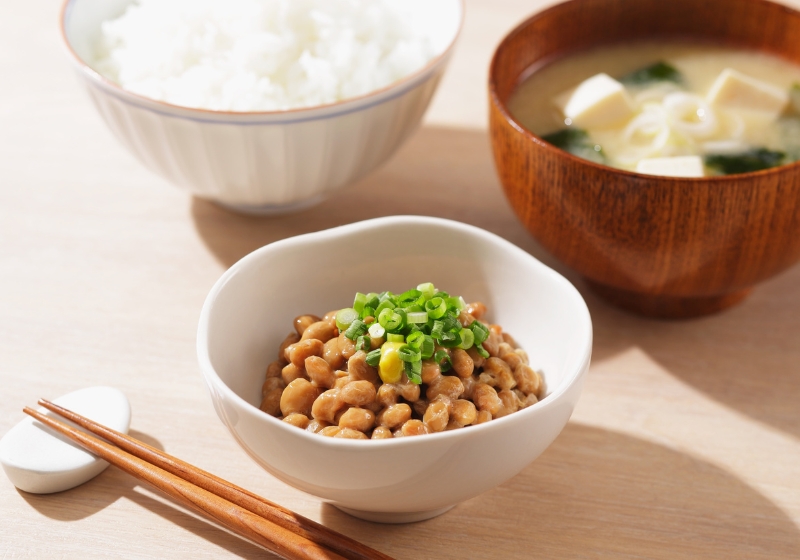
Perhaps the most divisive of all Japanese ferments, natto is fermented soybeans known for their sticky texture and assertive aroma. Beloved for its health benefits and intense savouriness, natto is usually eaten simply, mixed with soy sauce and mustard over rice. For the uninitiated, it can be challenging, but for those who love it, natto is pure comfort – proof that fermentation isn’t always polite, but it is always honest.
Fermented ingredients are the quiet architects of Japanese cuisine, shaping flavour through time rather than force. They teach us that depth doesn’t come from excess, but from care, patience and trust in nature. In a world obsessed with immediacy, Japan’s fermentation culture reminds us that some of the best flavours can’t be rushed – they have to be lived with, tended to and allowed to become something greater than the sum of their parts.