There is a particular kind of cooking that no culinary school teaches and no trend can manufacture. It lives in a grandmother's handwritten recipe card, in the smell of a spice paste warming in a pan, in the specific timing of a dish that someone learned by standing at a stove and watching. The four venues below carry that kind of knowledge into their dining rooms – each from a different tradition, each with a clear sense of where the food comes from and why it still matters.
Meryenda Cafe – Darlinghurst, NSW
Meryenda Cafe takes its name from the Filipino tradition of a midday snack break – a pause in the day that is less about hunger and more about connection. On Oxford Street, the café translates that tradition into a warm, welcoming space where specialty espresso and housemade pastries sit alongside the kind of savoury plates that Filipinos grow up eating at home. The room is compact and cheerful, with alfresco seating for those who want the street alongside their coffee.

The menu draws directly from Filipino home cooking. Silogs – the classic combination of sinangag fried rice and itlog, an egg, served with a choice of protein – anchor the savoury side, while the pastry cabinet holds Spanish bread and cheesecakes baked in-house each day. Pork belly, cooked to the texture that only patience produces, appears alongside these baked staples. Every item on the counter is housemade and the café has grown steadily since it opened.
Check the menu and plan your visit at Meryenda Cafe's AGFG page.
Kathmandu Kitchen – Kingscliff, NSW
Some restaurants earn their reputation over years; Kathmandu Kitchen has been earning its since 1986. Chef Shankar Shrestha has been serving Nepalese and Tibetan cooking at this Kingscliff institution for nearly four decades, drawing on the food traditions of the Kathmandu Valley with a fidelity that has attracted multiple awards along the way. The covered outdoor dining area looks across to the water and the interior carries the warmth of a place that has fed generations of the same families.

The cooking is anchored in spice work that takes time to understand and longer to master. Kukhura ko Masu – boneless chicken prepared with traditional Tibetan spices – is the dish that defines the kitchen: aromatic, deeply layered and nothing like the watered-down versions of Nepalese cooking that turn up elsewhere. The broader menu extends to a full range of curries and classic dishes, with vegetarian options running alongside the meat-based plates throughout.
Reserve your table at Kathmandu Kitchen on their AGFG page.
Ricardo's Trattoria – Albert Park, Vic
Open since 1992, Ricardo's Trattoria on Dundas Place in Albert Park has outlasted trends and the general churn of the Melbourne dining scene. Chef Filippo Madrigale cooks the food of Abruzzo – the region between the Apennines and the Adriatic – using family recipes that have never needed revising. The welcome at the door carries the specific ease of a place that has been seating people at its tables for more than 30 years.

The linguine gamberoni is the plate that tells you everything – King prawns tossed through pasta with diced fresh tomato, garlic and extra virgin olive oil. It is direct, generous and built around quality rather than complexity. Portions throughout the menu reflect the trattoria tradition: there is nothing precious about the sizing and the cooking never reaches for effect when straightforwardness serves better. Private dining is available for larger gatherings and the alfresco section on Dundas Place fills quickly on warmer evenings.
Secure your booking at Ricardo's Trattoria through their AGFG page.
The Tandoori Place – Surfers Paradise, Qld
Chef Surjit Dhillon has built The Tandoori Place around a straightforward principle: serve the finest North Indian food available, without abbreviating the process that makes it good. The restaurant occupies a corner of the Aegean Building in Surfers Paradise. The interior leans into the colour and craftsmanship of the Subcontinent – hand carvings, framed pictures and table settings that carry the same visual weight as the menu itself. It is a specific kind of atmosphere, confident in its own reference points.

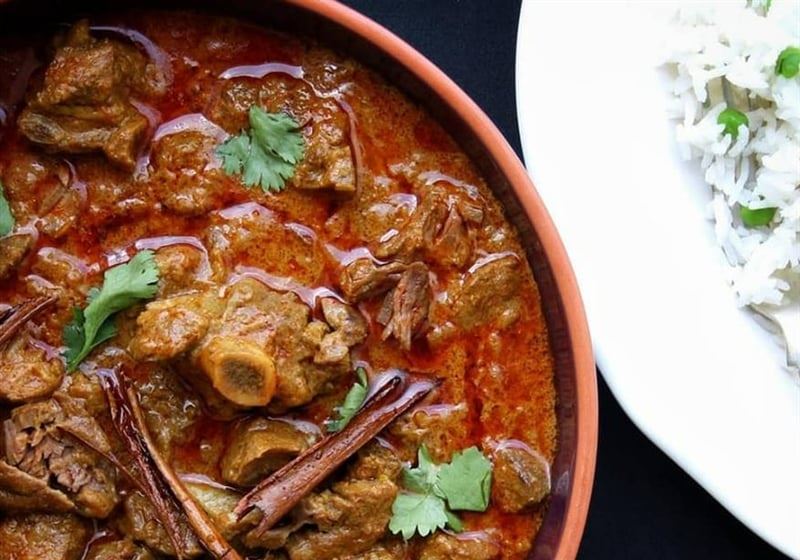
The tandoor is the kitchen's centrepiece and the menu works outward from it. Garlic prawns and crispy onion bhaji open proceedings before the curries arrive. Those include a kangaroo korma in a mild aromatic cream sauce, the Chef's special goat curry with potatoes and spices served alongside basmati rice and naan and the signature hot and spicy vindaloo roo: kangaroo through a vindaloo base, with steamed rice and papadums. Mango pista kulfi and gulab jamun close the meal. The cooking does not look for shortcuts and the menu reflects that.
Visit The Tandoori Place's AGFG page to book your next dinner.
Family recipes survive because they carry something that cannot be replicated by a trend cycle or a new technique: the accumulated knowledge of people who cooked a dish until they understood it completely, then passed it on. These four kitchens sit in different cities, draw from distinct culinary traditions and serve separate communities – but each one is doing the same essential thing, putting that knowledge on a plate and sending it out.
For more great places to eat near you, click here.