By Leigh O’Connor.
At The Forager’s Table, ‘local’ is no longer a postcode or a familiar lineup of farmed staples. It’s a living map drawn in sap, salt wind and the quiet logic of seasons. Modern Australian dining has always been a conversation between place and plate, but now the conversation is getting wilder - literally.
Chefs, home cooks and Indigenous knowledge holders are widening the lens, looking beyond orchards and paddocks to the edges of creeks, dunes, bush tracks and tidal flats. Here, native edibles and foraged ingredients aren’t novelty. They’re anchors, pulling us toward a deeper, more honest idea of where food comes from.
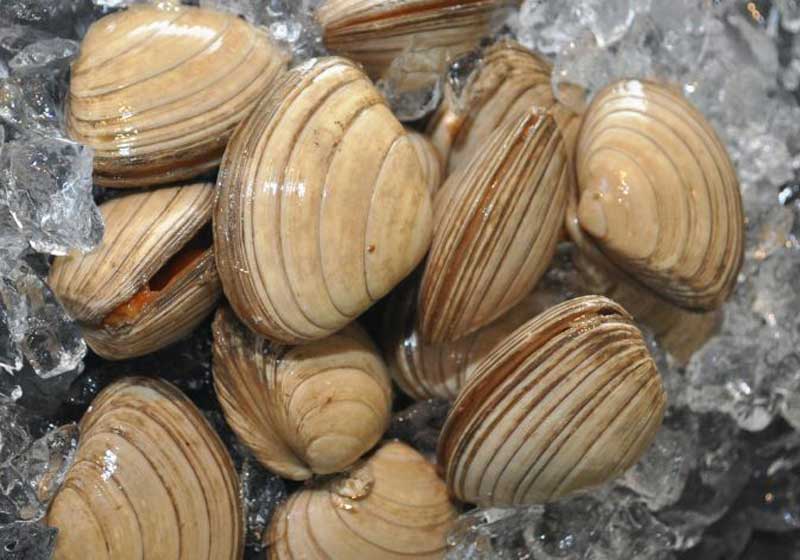
Imagine sitting down to a bowl of clams steamed with lemon myrtle. The citrus note isn’t sharp the way imported lemons can be; it’s softer, green-bright, like the first breathe of rain after heat. The clams taste of their own tide, briny and sweet, and suddenly ‘seafood’ feels less like a category and more like a moment you can taste - the shoreline exactly as it was that morning.
This is what foraging brings: a kind of immediacy. Ingredients don’t arrive as anonymous units. They arrive with stories clinging to them: the sandy pocket where samphire starred its tiny salt-crystals to the sun, the gully where native raspberries hid like jewels, the charred woodland where wattleseed ripened in the afterglow of fire.
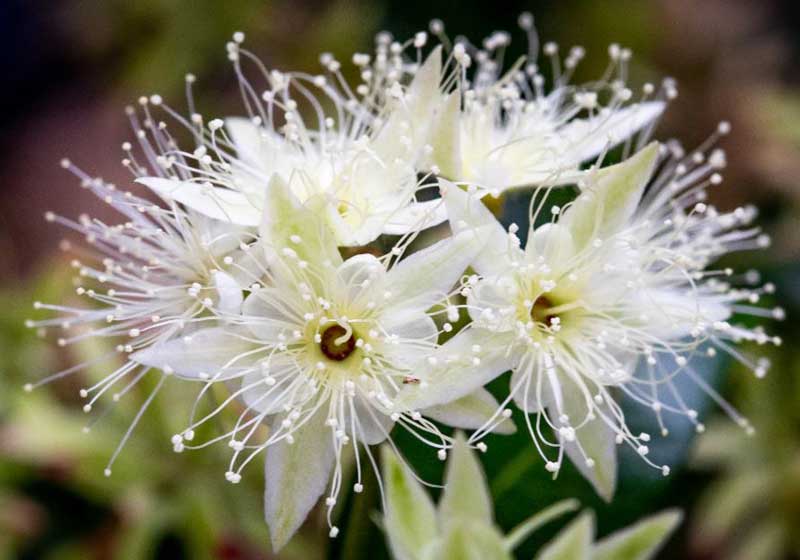
Native ingredients carry a particular kind of power. They don’t just flavour a dish; they shift its centre of gravity. Wattleseed folds into a dessert with the depth of roasted coffee and cocoa, but also with the feel of hearth-smoke and ancient ground.
Finger lime pearls burst like tiny mouthfuls of sherbet and sea-spray, jolting a ceviche into something that tastes unmistakably of here. Davidson plum, dark and tart, cuts through richness with a feral elegance. Even the humblest leaf - river mint, saltbush, strawberry gum - can act like a compass needle, turning a dish toward landscape.
What’s changing in Modern Australian dining is not only what we eat, but how we think about eating. Foraged food pulls us out of supermarket time - that strange, flat seasonless every-dayness - and back into natural rhythms.
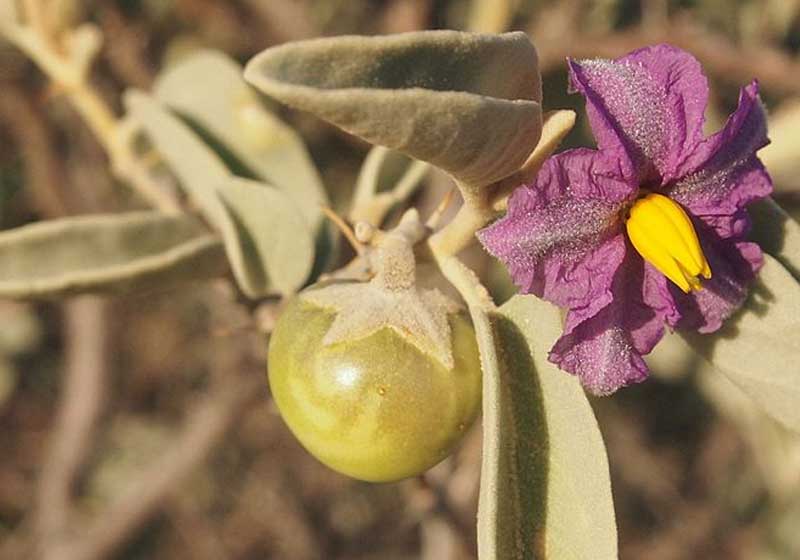
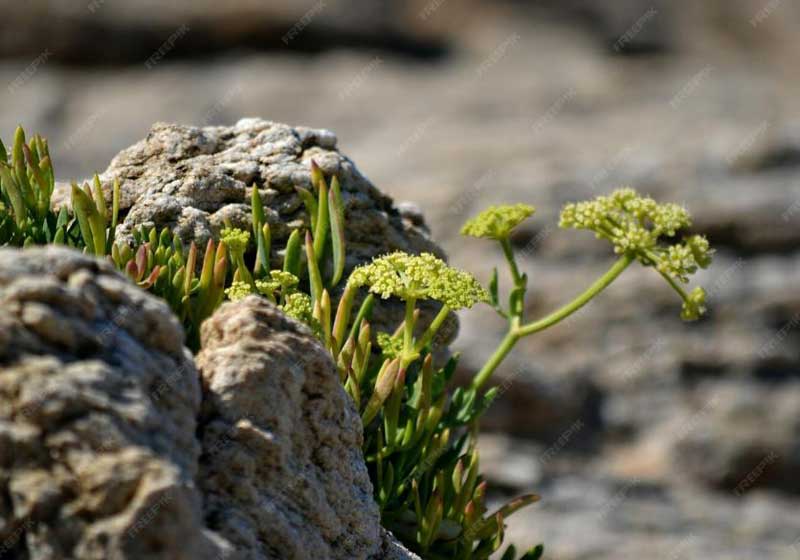
A menu built around wild food is inherently responsive. It says: today, the coastal succulents are tender; today, the bush tomatoes are ready; today, the mushrooms have come up after a week of damp nights. It reminds us that local cuisine is not fixed. It’s relational. It is what the land is willing to offer and what we are wise enough to gather without taking too much.
There’s a quiet humility to the best forager-driven cooking. It doesn’t shout. It listens. It respects that these ingredients have long histories, especially within Indigenous cultures that have foraged, cultivated and cooked with native foods for tens of thousands of years.
When modern kitchens engage ethically - giving credit, working in partnership, learning before using - they tap into a lineage of care rather than a trend. The result is food that feels grounded: not a costume of ‘native flavours’ but a continuation of understanding.
To eat at The Forager’s Table is to taste Australia as a verb, not a noun. A country still becoming itself, still being read through bark and brackish water, through seeds and smoke. These wild foods don’t just define Modern Australian dining; they redefine it. They ask us to consider that ‘local’ is not only about mileage, but about memory, ecology and attention. About being present enough to notice the edible world waiting just beyond the path - and brave enough to let it change what we think a plate can be.